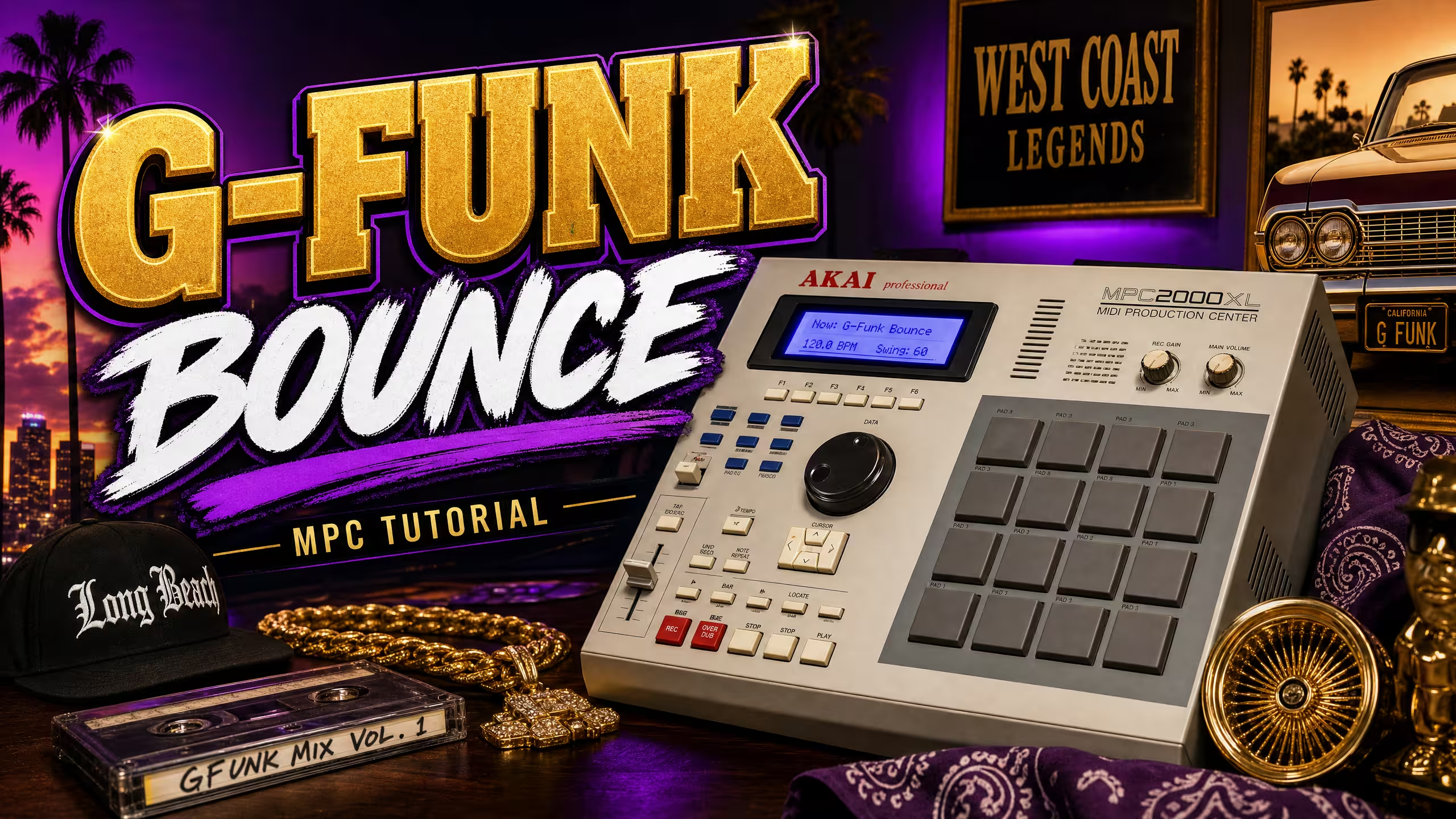
MPC Tutorial: Capturing the "West Coast Roll Call" G-Funk Bounce
Learn how to create the signature G-Funk bounce on the MPC with West Coast drum patterns, soulful melodies, deep basslines, and legendary MPC swing inspired by West Coast Roll Call.
MPC Tutorial: Capturing the “West Coast Roll Call” G-Funk Bounce
G-Funk is more than just a genre—it’s a feeling. It’s the laid-back, infectious groove that defined an era of West Coast hip-hop and continues to inspire modern producers today. In this MPC tutorial, we'll explore the techniques behind creating that signature G-Funk bounce while drawing inspiration from West Coast Roll Call.
The Essence of G-Funk Bounce
The G-Funk sound is built around soulful melodies, deep basslines, and rhythmic swing. The secret lies in balancing smooth melodic elements with punchy drums while maintaining a groove that feels both relaxed and energetic.
Step-by-Step: G-Funk Bounce on the MPC
1. Start with the Right Drum Foundation
The drums provide the heartbeat of every G-Funk production. Use the MPC’s built-in drum engine or premium one-shots from Groove Alchemy Vol. 1 to create an authentic groove.
- Kick Drum: Choose a punchy but rounded kick that delivers weight without overwhelming the mix.
- Snare or Clap: Use a crisp snare, layered clap, or a combination of both for added impact.
- Hi-Hats: Program 1/16 note hi-hats with subtle swing to create the classic rolling movement.
2. Crafting the Melodic Groove
Melody is one of the defining elements of G-Funk. Start with Rhodes keyboards, electric pianos, or classic West Coast synth sounds.
- Chord Progressions: Use smooth jazz-inspired chords such as minor sevenths, major sevenths, and ninth chords.
- Melodic Phrases: Create memorable lead melodies that complement the rhythm section.
- West Coast Lead Synth: Add the iconic high-pitched lead synth with glide and portamento for an authentic G-Funk vibe.
3. Deep, Groovy Basslines
The bassline is the foundation of the G-Funk bounce. It should be melodic, warm, and tightly connected to the kick drum pattern.
- Synth Bass: Choose an analog-style bass sound with a smooth low-end character.
- Rhythmic Placement: Focus on the groove between kick hits and use syncopation to create movement and bounce.
4. MPC Swing and Quantization
One of the most important ingredients in G-Funk production is the MPC’s legendary swing.
- Quantization: Begin with 1/16 note quantization.
- Swing Settings: Gradually increase swing between 54% and 60% until the groove feels natural and relaxed.
This subtle timing adjustment creates the signature G-Funk feel that separates programmed drums from a lifeless rhythm track.
5. Layering and Texturizing
Additional layers can help bring your production to life and add depth to the overall groove.
- Percussion: Add shakers, tambourines, congas, and percussion elements from Drum Alchemy: Essentials for extra movement.
- Atmospheric Elements: Use subtle pads, ambient textures, and field recordings to create depth and space.
Final Mix and Integration
When mixing G-Funk, focus on clarity, warmth, and balance. The bass should remain powerful without masking the kick drum, while melodic elements should have enough space to breathe. Use EQ, compression, and stereo placement carefully to maintain a clean and professional mix.
Inspired by the sound of West Coast Roll Call? Explore premium beats, drum kits, loops, and production tools at Shop The Beat and take your West Coast productions to the next level.